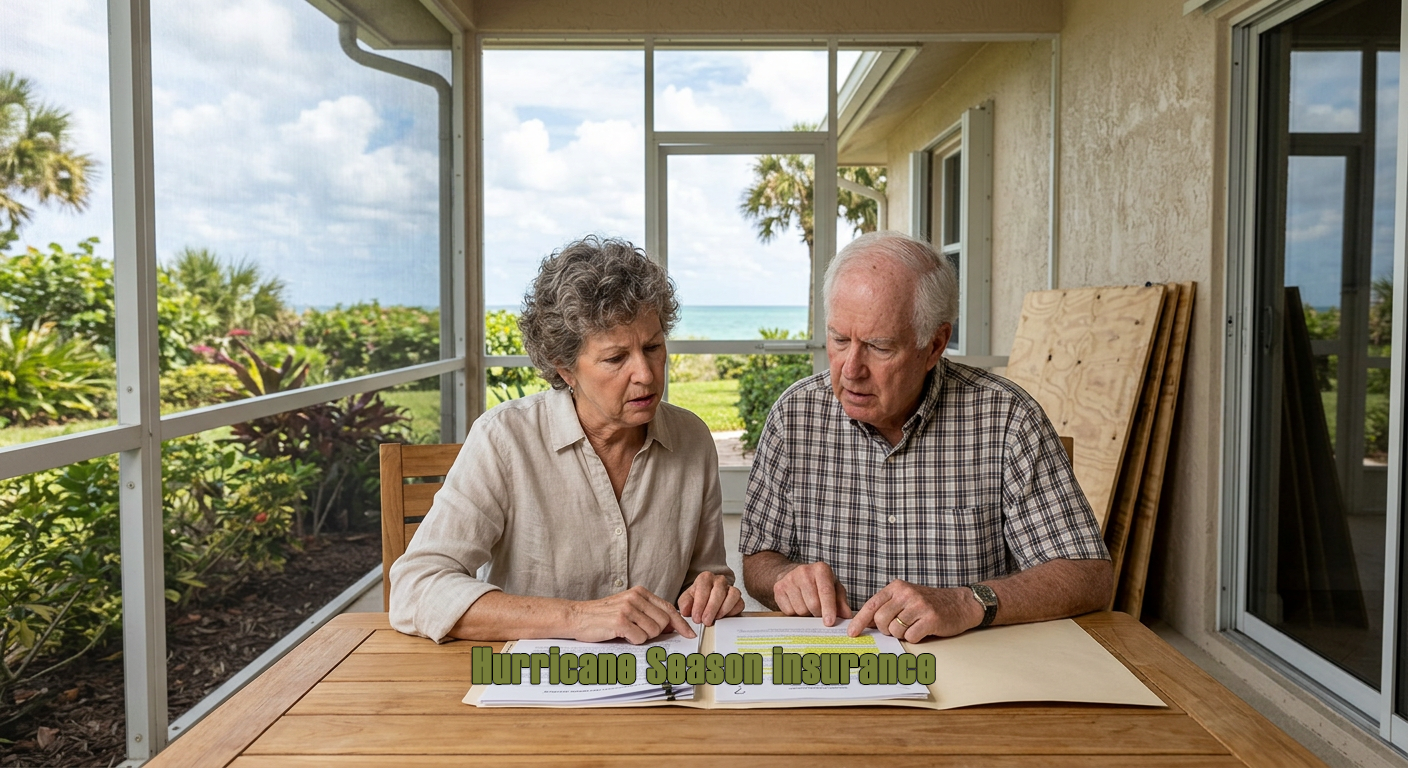
Hurricane Season Insurance: What Vero Buyers Get Wrong
Most people shopping for a home in Vero Beach assume that homeowners insurance covers hurricane damage. It doesn't — at least not all of it, and the gap between what buyers expect and what actually pays out after a storm is where the real financial pain lives. Standard homeowners policies in Florida typically cover the structure and contents against many perils, but wind damage in a named storm is often excluded or subject to a separate, higher hurricane deductible — sometimes 2% to 5% of the insured value of the home, not a flat dollar amount. On a $600,000 house, that's $12,000 to $30,000 out of pocket before a single insurance dollar moves. Buyers closing on a Vero Beach home right now, in the thick of peak Atlantic hurricane season, are often learning this for the first time when their agent hands them a declarations page.
The second misconception is even costlier: flood damage — including storm surge, which is the leading cause of hurricane-related deaths and destruction along Florida's coast — is not covered by any standard homeowners or wind policy. It requires a separate flood insurance policy, typically through the National Flood Insurance Program (NFIP) or a private carrier. And here's the trap that catches buyers off guard every August and September: NFIP policies carry a 30-day waiting period before coverage takes effect. If a storm is already named and tracking toward the Treasure Coast, it's too late. You cannot buy your way into coverage once a threat is imminent. For buyers who closed in July thinking they'd sort out flood insurance later, or sellers who accepted an offer contingent on a late-summer close, that 30-day clock is not a formality — it's a hard wall.
What makes Vero Beach specifically tricky is the variance in flood risk across relatively short distances. A home on the barrier island east of A1A carries dramatically different exposure than one in a western Vero subdivision near I-95, yet both are technically in Indian River County. FEMA flood zone maps — which determine mandatory flood insurance requirements for federally backed mortgages — don't always reflect the nuanced elevation changes and drainage patterns that experienced local agents and inspectors understand. Buyers should request the elevation certificate for any property they're serious about, since a favorable base flood elevation can meaningfully lower annual premiums. Getting that certificate, reviewing the flood zone designation, and placing both wind and flood coverage well before closing — ideally 45 days out — is the sequencing that protects Vero buyers. Doing it the week before closing, or the week a storm forms in the Atlantic, is the sequencing that doesn't.